Reading Time: 3 minutes
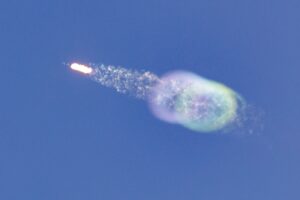
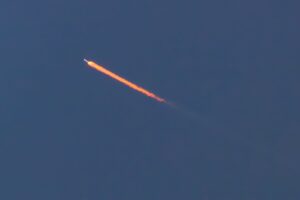
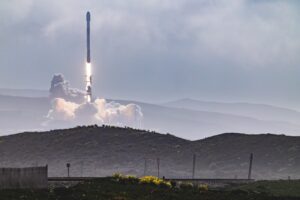
About 15 years ago I extended my camera gear with a filter kit from Cokin. I mainly bought it to use the graduated neutral density (ND) filters for landscape photography. It helps to preserve details in the sky if you have a bright sky. I used it a few times, but the kit sat in my bag for a long time. I added a circular polarizer from Cokin to get rid of glare of non-metallic surfaces which was a real game changer. But as my photography evolved, I also wanted to start to extend my shutter speed to blur water or do day-time streaks of rocket launches and added a compatible set of LEE ND filters. I also thought buying a solar filter from LEE but I read a few reviews and ultimately decided to go with screw-on filters from Thousand Oaks.
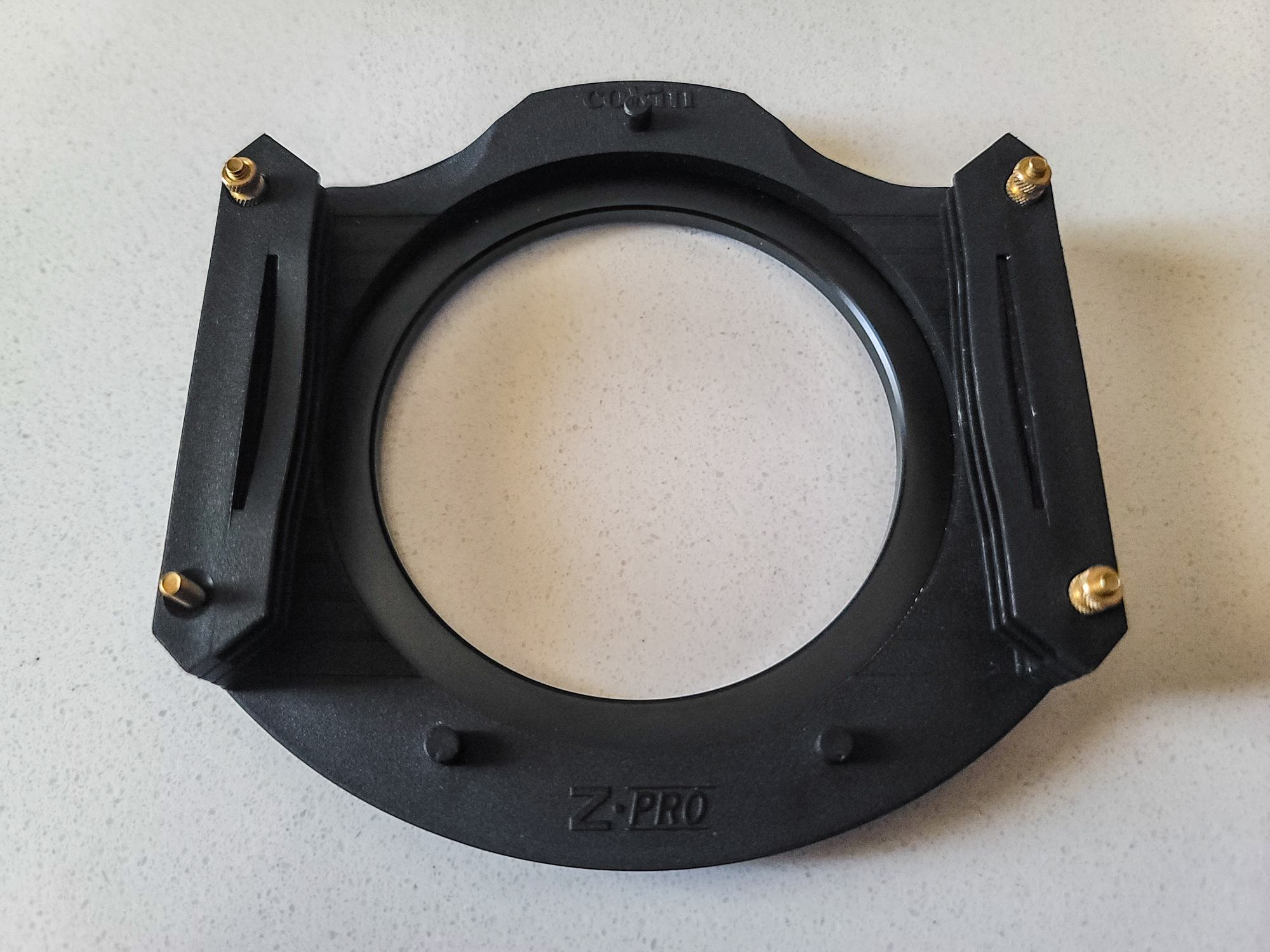
The filter holder is nothing special, it is made out of some kind of plastic while the adapter rings are metal. I only had two major issues, which are fairly easy to resolve.
Replace the Original Nuts
The filter holder is modular. Meaning you can add and remove slots for how many filters you can hold. My setup had three slots. one for a circular polarizer and two for regular rectangle filter plates. This is helpful if you use ultra-wide-angle lenses. You can remove unnecessary slots, to avoid showing up in the frame. I never removed any of the slots and only if I am at 24 mm and my holder is turned diagonal, do I see a tiny bit of the holder in the picture.

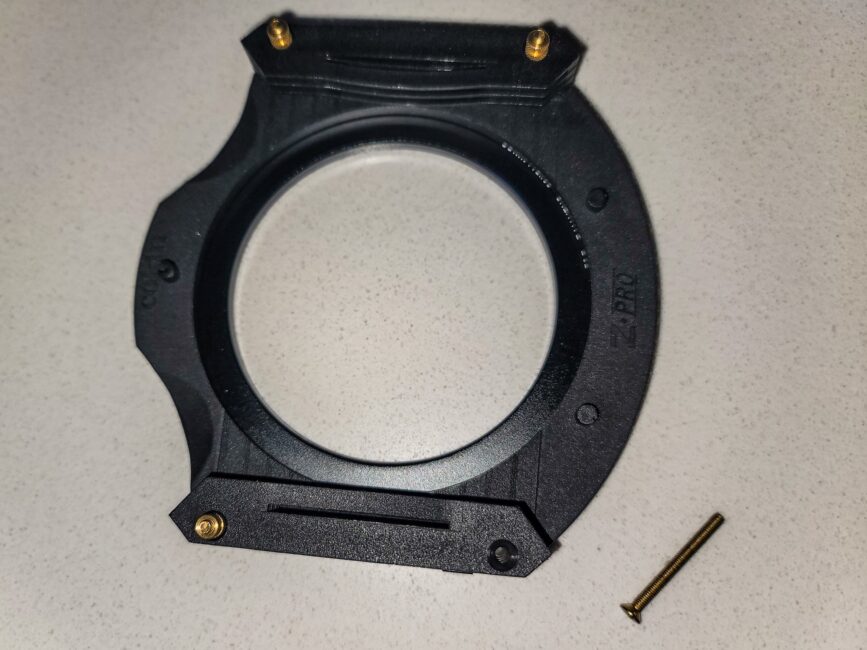
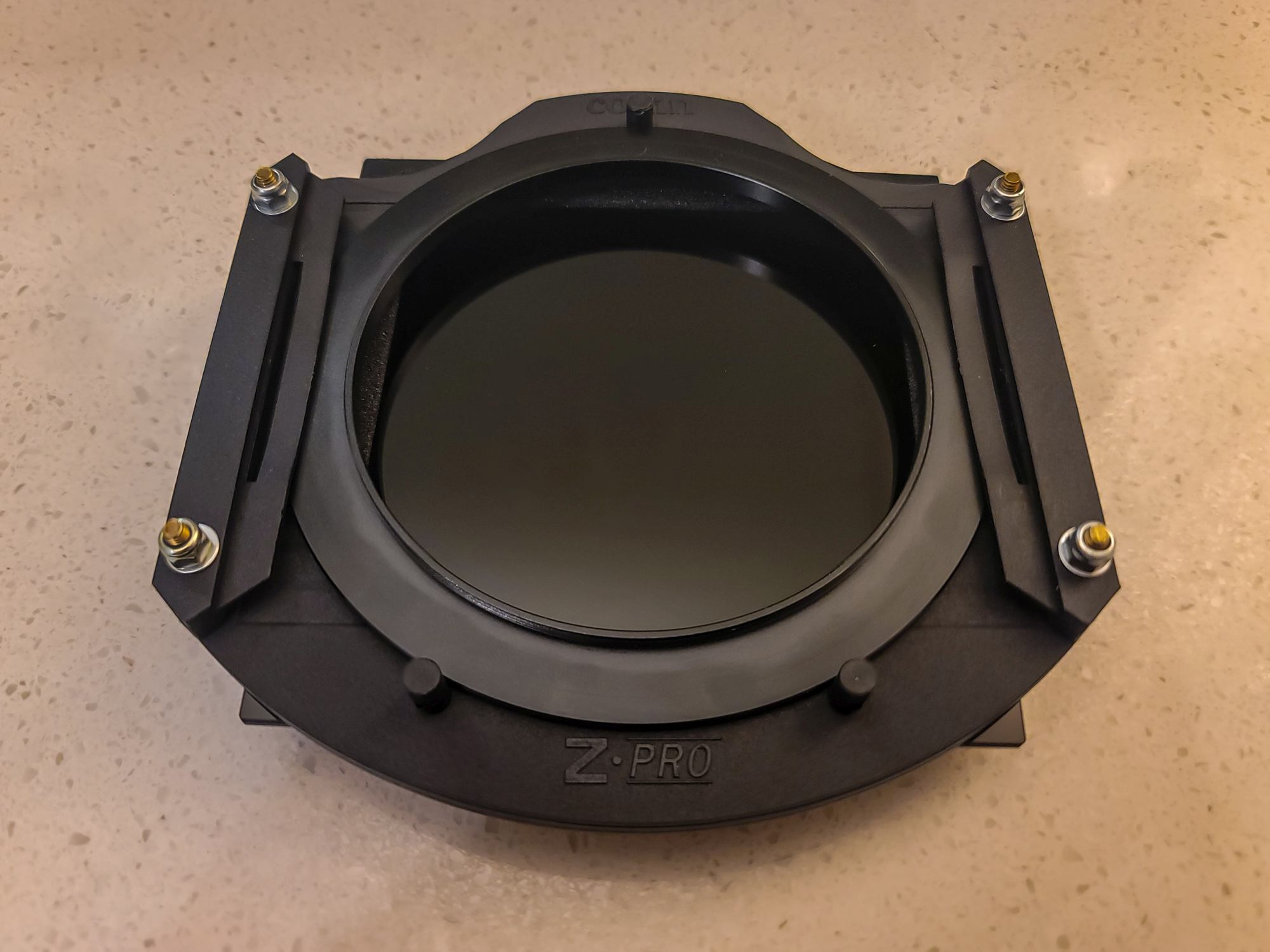
I used the filter holder a lot in conjunction with my circular polarizer. A few times I had the issue that the nuts which hold the slots together became loose. One time, I nut came even fully undone and luckily it dropped into my bag rather than dropping it on the ground. But on my latest adventure in Oregon, I lost one nut completely. I didn’t even notice when it happened. I realized it the next morning when I arrived at a new shooting location and tried to put the circular polarizer back in. The filter fitted to loosely and as I inspected the holder, I saw the nut was missing. The bolt was still stuck in there, luckily.
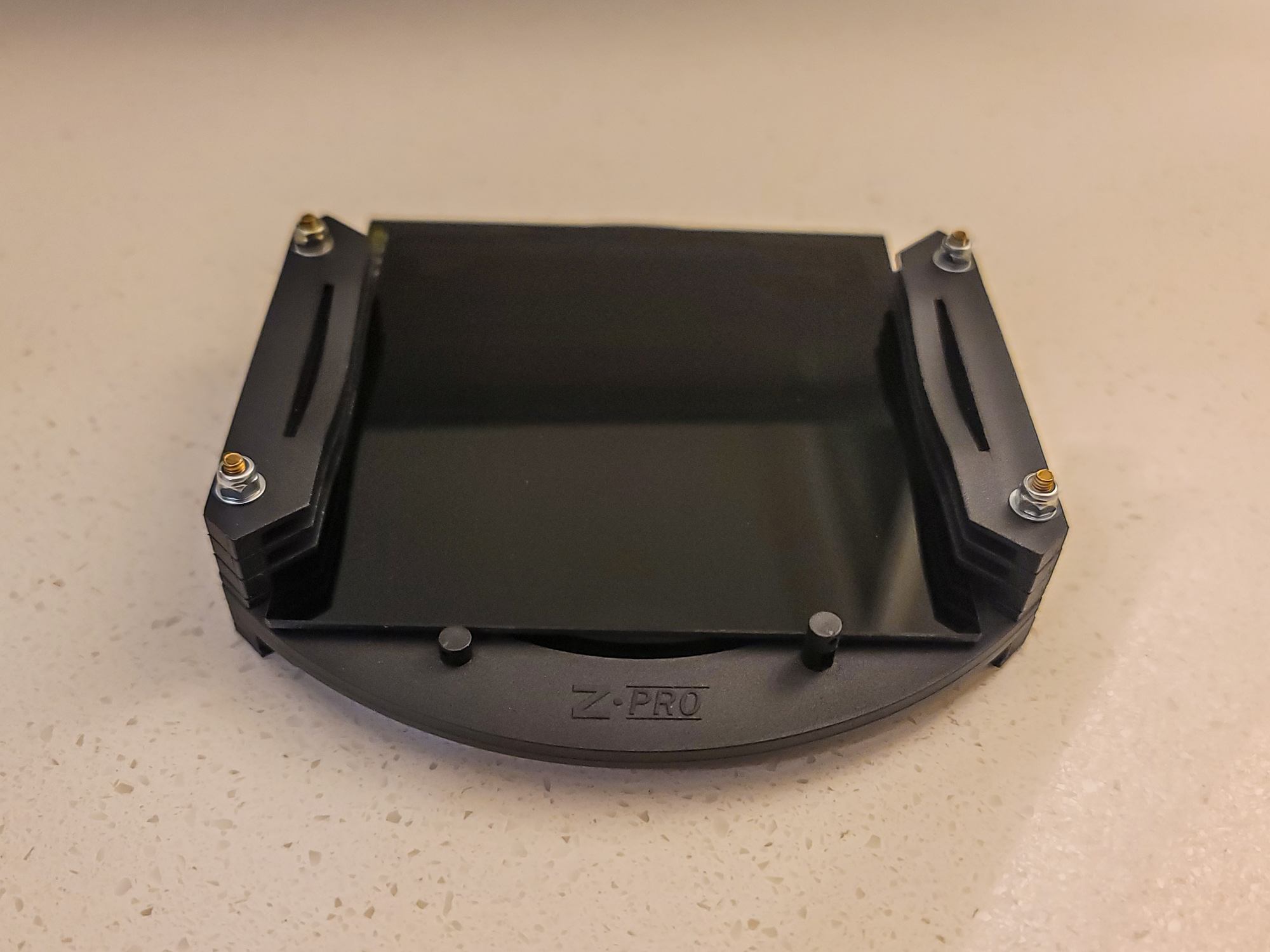
So, I had enough! I got myself four washers and four nyloc nuts. The thread and pitch of the original bolts is M3x0.5.
I used washers because the pieces who make up the slots are counter-sunk, and a washer helps the nut to sit better on there. Don’t use a lock washer and a regular nut. For a lock washer to work, you have to compress the washer. With a nyloc nut, you don’t have to put tension on the bolt to be secured. It has a nylon insert, which is smaller than the diameter of the bolt which stops the nut from coming loose by motion or vibration. You are more flexible on how much you want to tighten the nut.
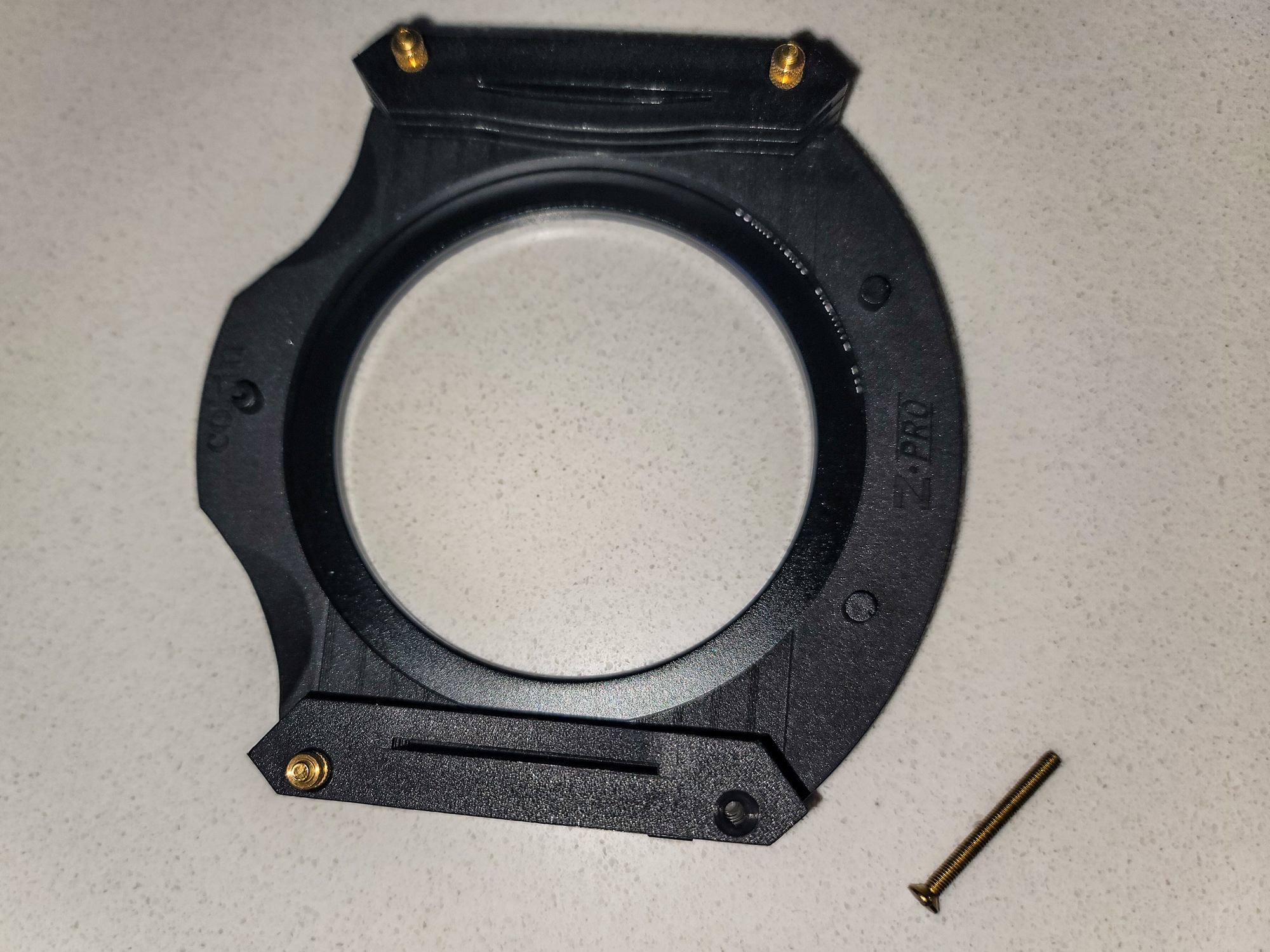
Flip the holder inside out
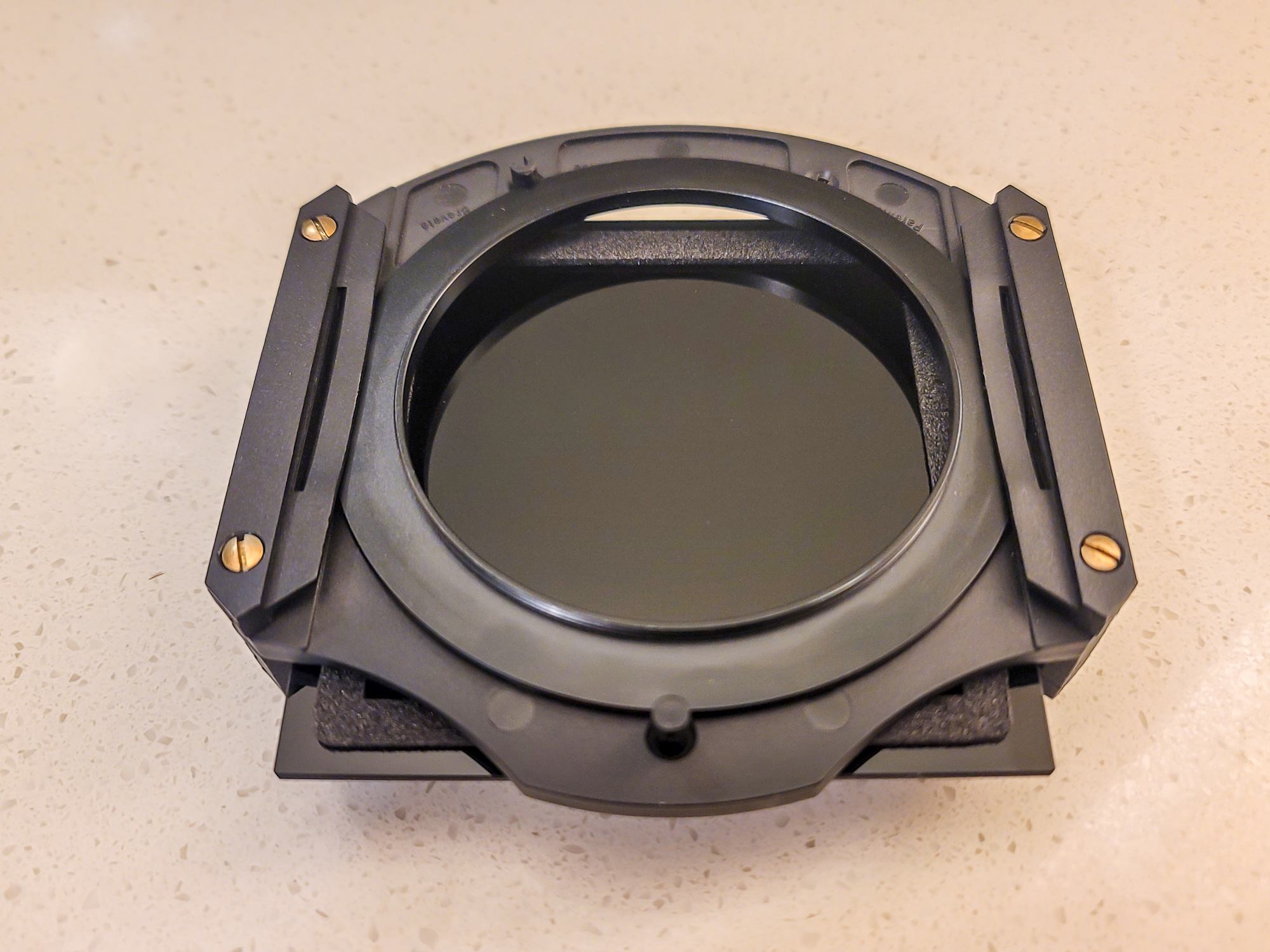
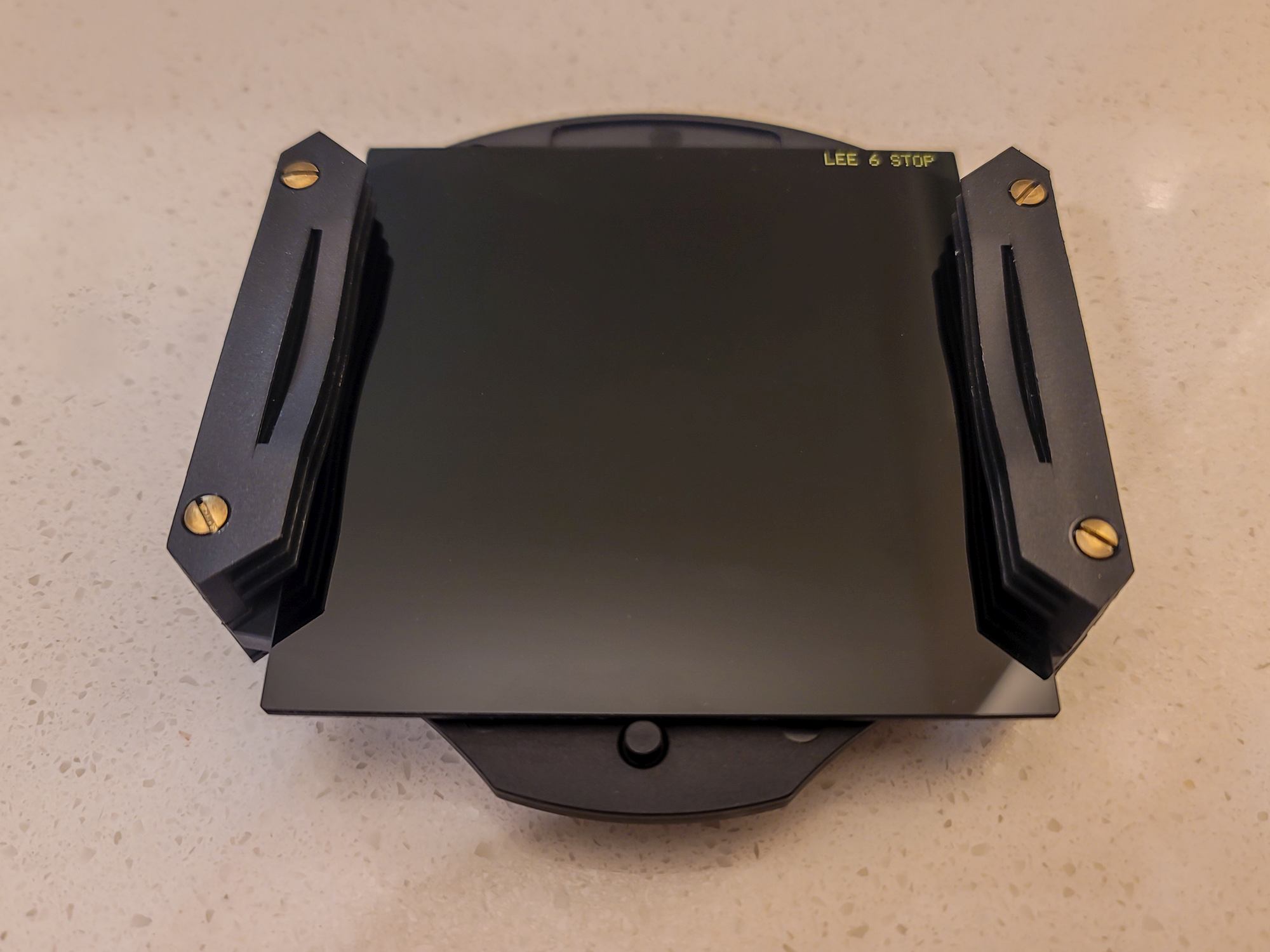
I invented this solution when i started the LEE ND filters. When you have the filter holder in its original configuration and slide in the square ND plate, it won’t go down all the way to the bottom and cover the complete opening. This is because there are two knobs which hold the circular polarizer in place, and they sit higher than the bottom of the opening. Depending on your situation, this could cause light to enter your lens and blow out part of the image.
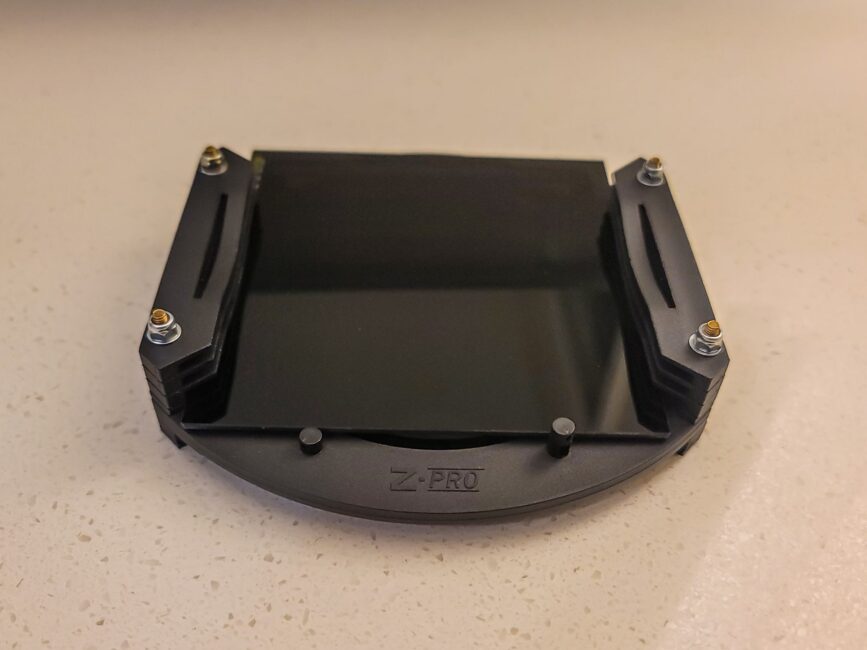
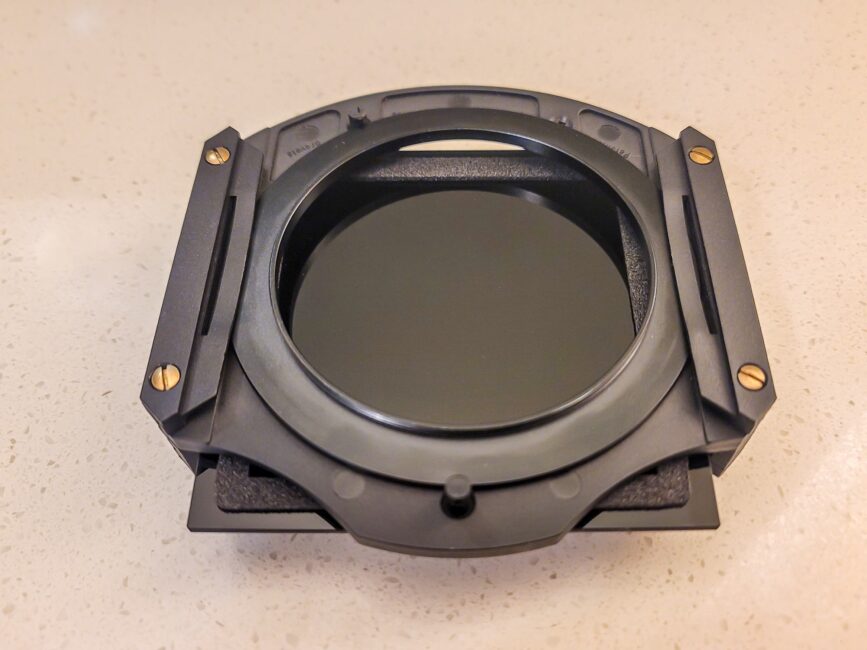
The solution is simple but genius. Flip the holder inside out. What I mean by that is, remove the slots which hold the filters and the adapter ring and mount in on the opposite side. For example, the slot for the adapter ring, goes now toward the outside, where you can read the Cokin name and the slots for the filter holders go on the inside.
If you do this, you have the single knob, which holds the adapter ring in place, at the bottom. It sits lower than the whole opening and your ND filter plate can now cover the whole opening and prevent light from entering the lens.
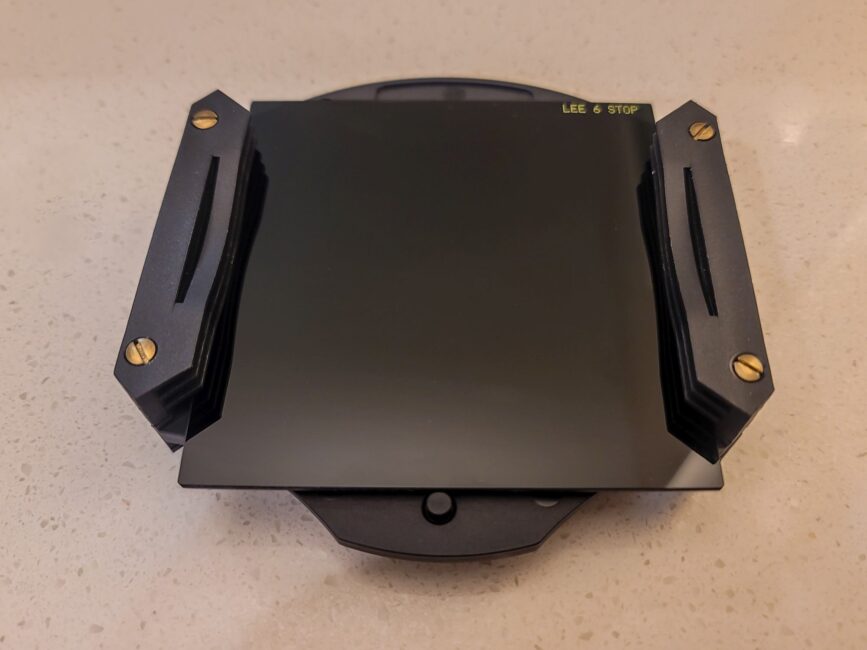
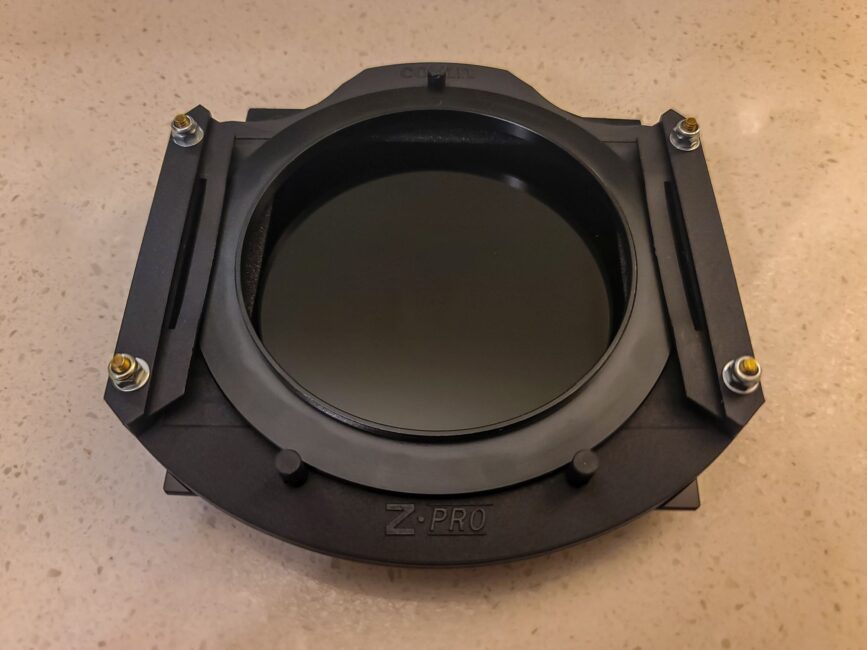
I also flipped the bolts around so that the head is facing outside and the nyloc nuts would face the camera body. This looks more esthetic.
Conclusion
These two mods of my Cokin Z-Pro filter holder really improved it a lot. I don’t have to worry anymore about losing the bolts or nuts. Will you do the same mods? Let me know in the comments.

Peter is an award-winning photographer who travels all over the world to capture the beauty of our planet as well as the achievements of humanity. Follow Peter on his travel blog Gate to Adventures for more amazing places to go and explore.