Reading Time: 5 minutes
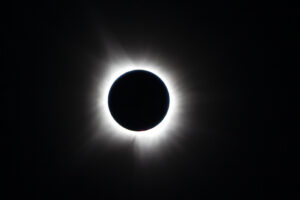
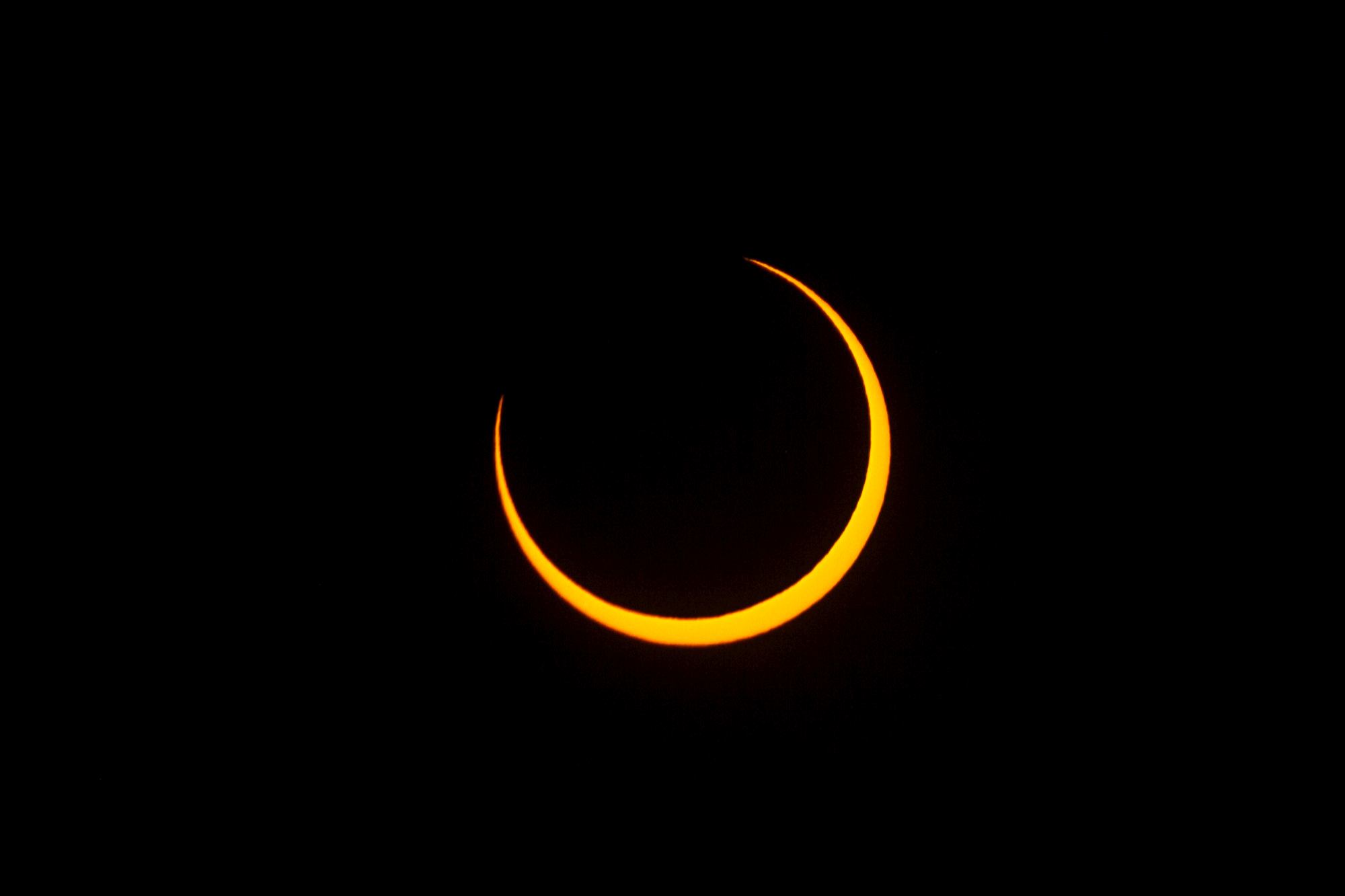
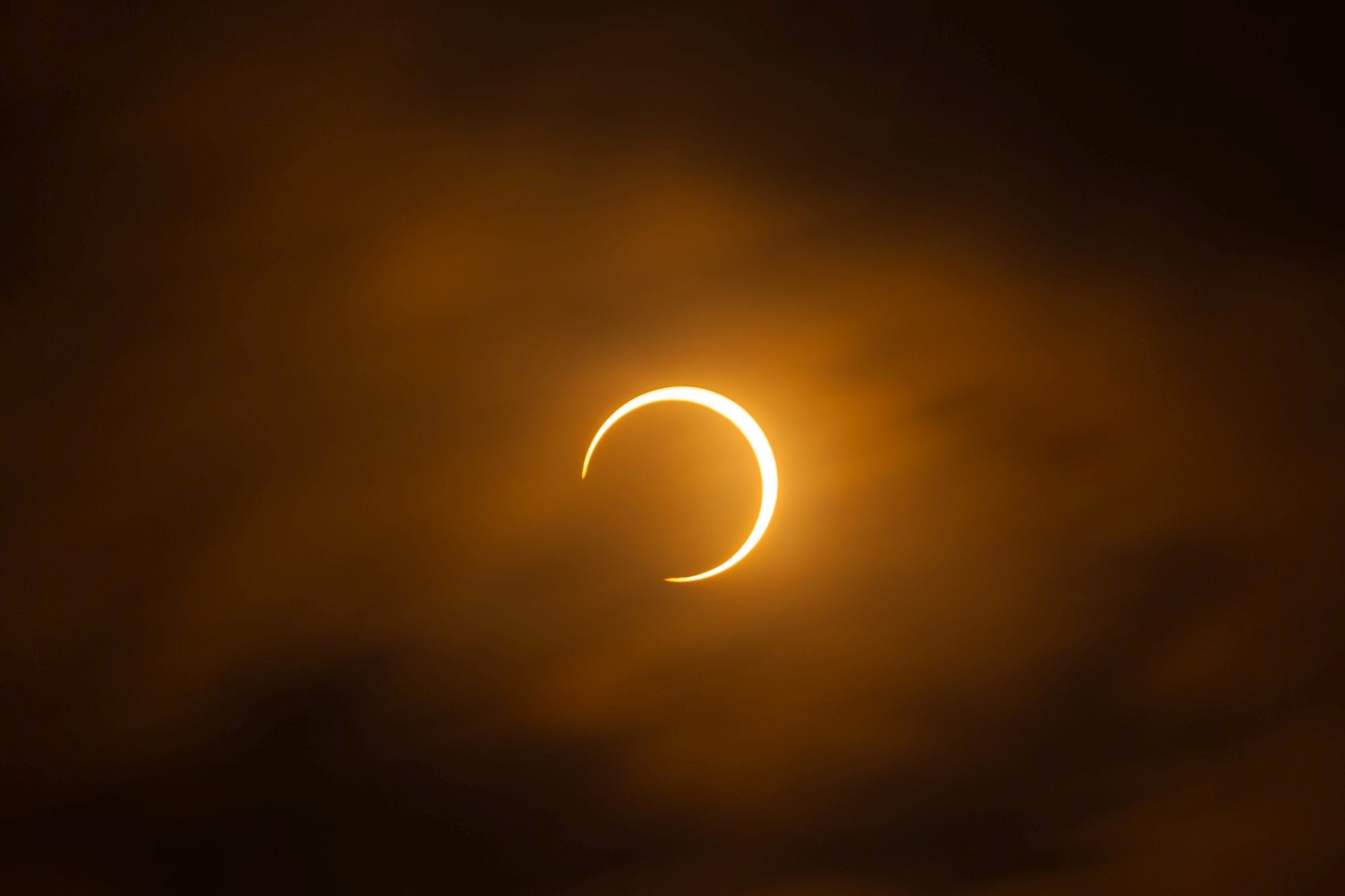
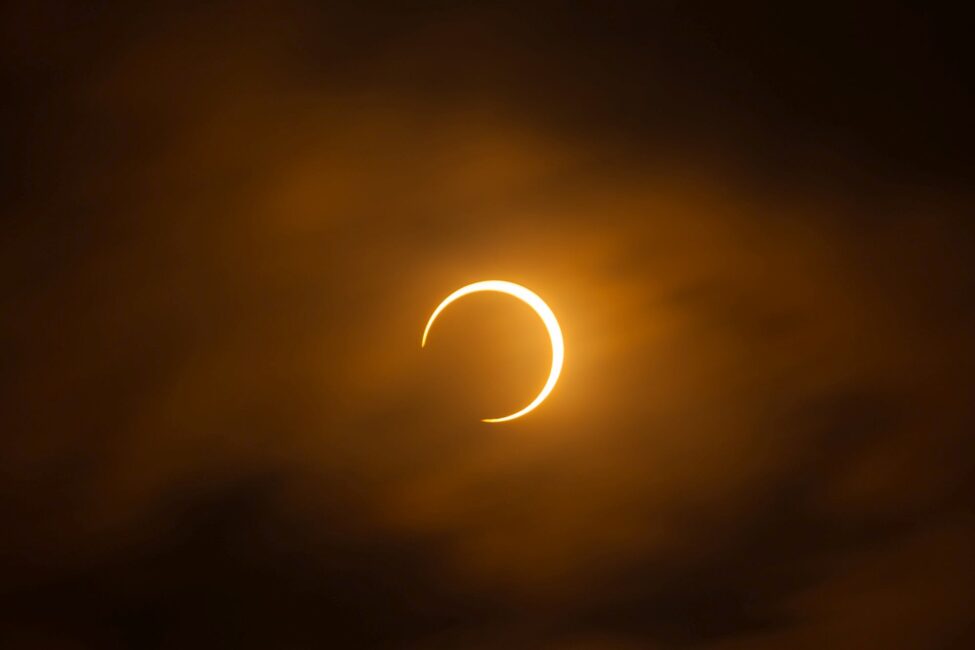
I had photographed the annular solar eclipse and want to share my experience with the Thousand Oaks Optical Solar Filter. It was my first time photographing any solar eclipse. I had watched a few in the past but never attempted to photograph them. Before I bought my solar filter, I did an extensive research on which one to get. I was also able to capture the Total Solar Eclipse in 2024 with this filter.
First, I thought to get the Lee Solar Eclipse Filter because I got their Big and Little Stopper ND Filter recently. However, the Lee filter has some huge downsides. First of all, it is not safe to watch the eclipse through the filter. This means you can’t use your optical viewfinder to look at the sun.
Secondly, the images need to be color corrected in post progressing as the sun will appear blue in the image. Last but not least, the Lee filter is about three times as expensive as the filter from Thousand Oaks Optical. Of course, this depends what kind of filter you buy from Thousand Oaks Optical. In my case, I already had the filter holder but if you don’t have a filter holder yet, you have to get the holder and the adapter ring for your lens. Which will set you back another $150.
In my case it was also if I could get the filters in time as I ordered less than a week out from the eclipse. Luckily it all worked out for the 2023 annular solar eclipse for me. If you are planning to photograph the upcoming total eclipse in April 2024, you better get your filter soon to get some time to experiment and get familiar with this set up.
Thousand Oaks Optical Filters
Thousand Oaks Optical is a manufacturer of safe solar filters. That means you can use their filters to look directly into the sun. The company manufactures different styles of filters, which differs on how you will use them.
SolarLite Filter Sheets
You can order the filter in different sizes. The most common ones offered are letter size (8.5″x11″) and a square 12″x12″ filter sheet. If you choose this style of filter, you have to find a way to attach it to your lens. Theoretically you can just put it over the front of your lens and fix it with a rubber band. However, this kind of usage will wear down the filter over time when you start touching the filter material and by continuous attaching and removing of the filter. But you are also the most flexible with this way and can use the filter sheet to build your own eclipse googles.
Price
Prices for SolarLite Filter sheets start at $42. This price gets you one sheet in Letter-size (8.5″x11″). The bigger sheet costs more but you get a discount if you buy in bulk.
Full Aperture (SolarLite Polymer)
This style of filter is used to be put at the front of telescopes. You can of course use it also to put it over the front of your lens. However, you have to make sure first you buy the right filter size for your lens. That means you have to do some measurements and find the size which matches your lens barrel the best. This could be an issue if you have external zooming lenses. However, this filter is way better, as it has a frame which you touch to mount it and remove it without touching the actual filter. But it is not the best solution for a camera lens. For camera lenses there is something better.
Prize
Full Aperture filters run from $59 – $184, depending on the size.
Threaded Camera Filters
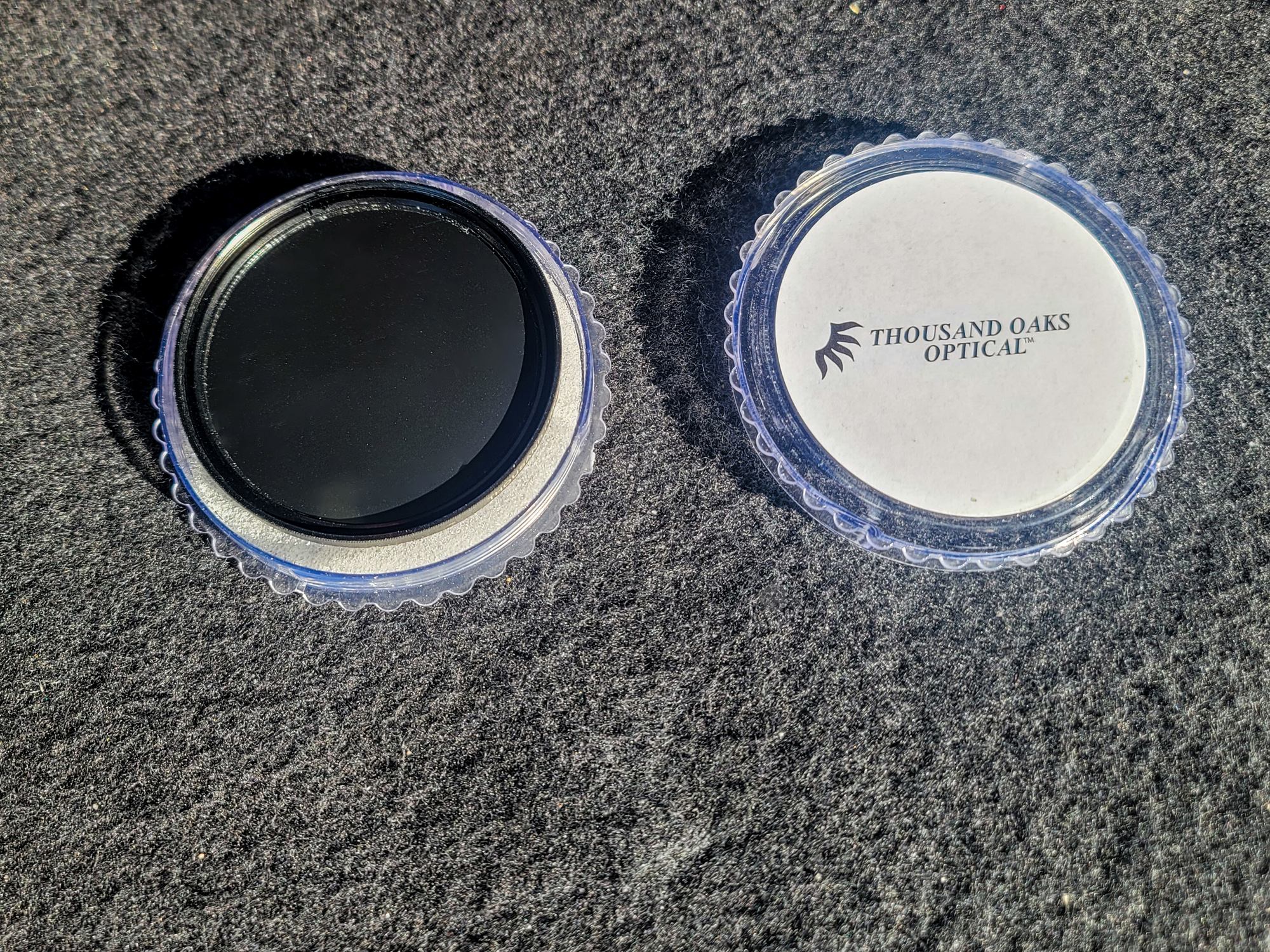
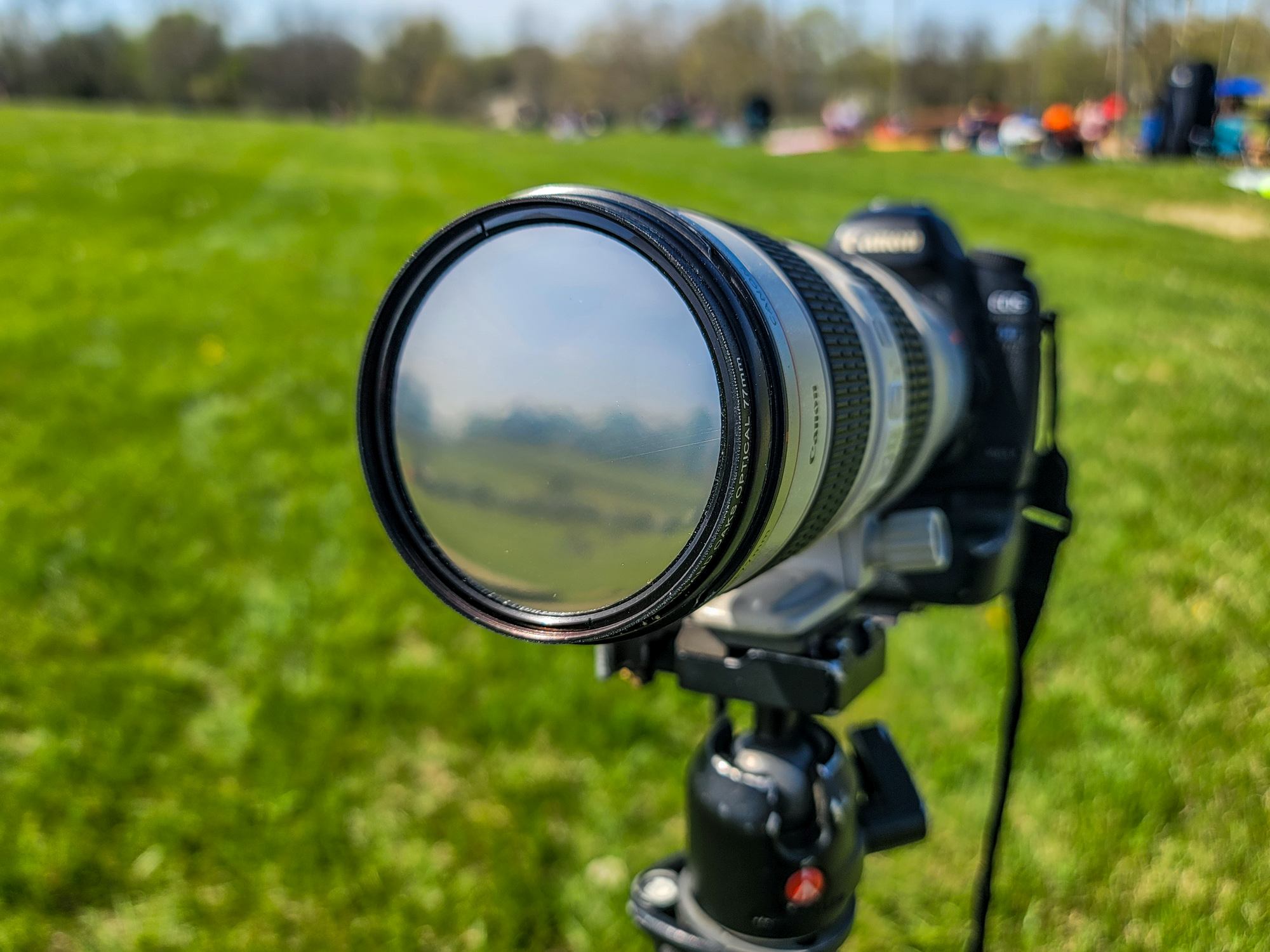
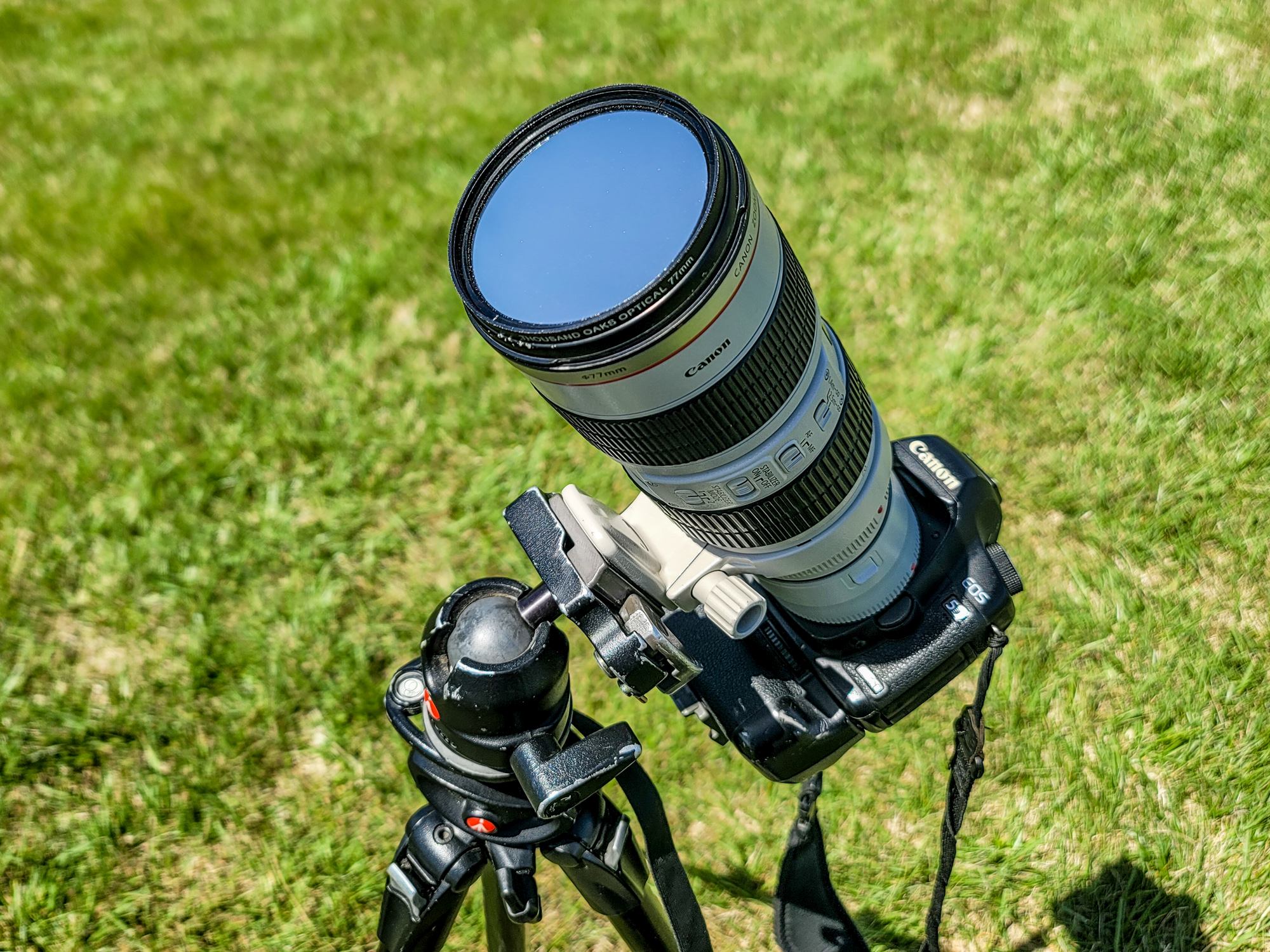
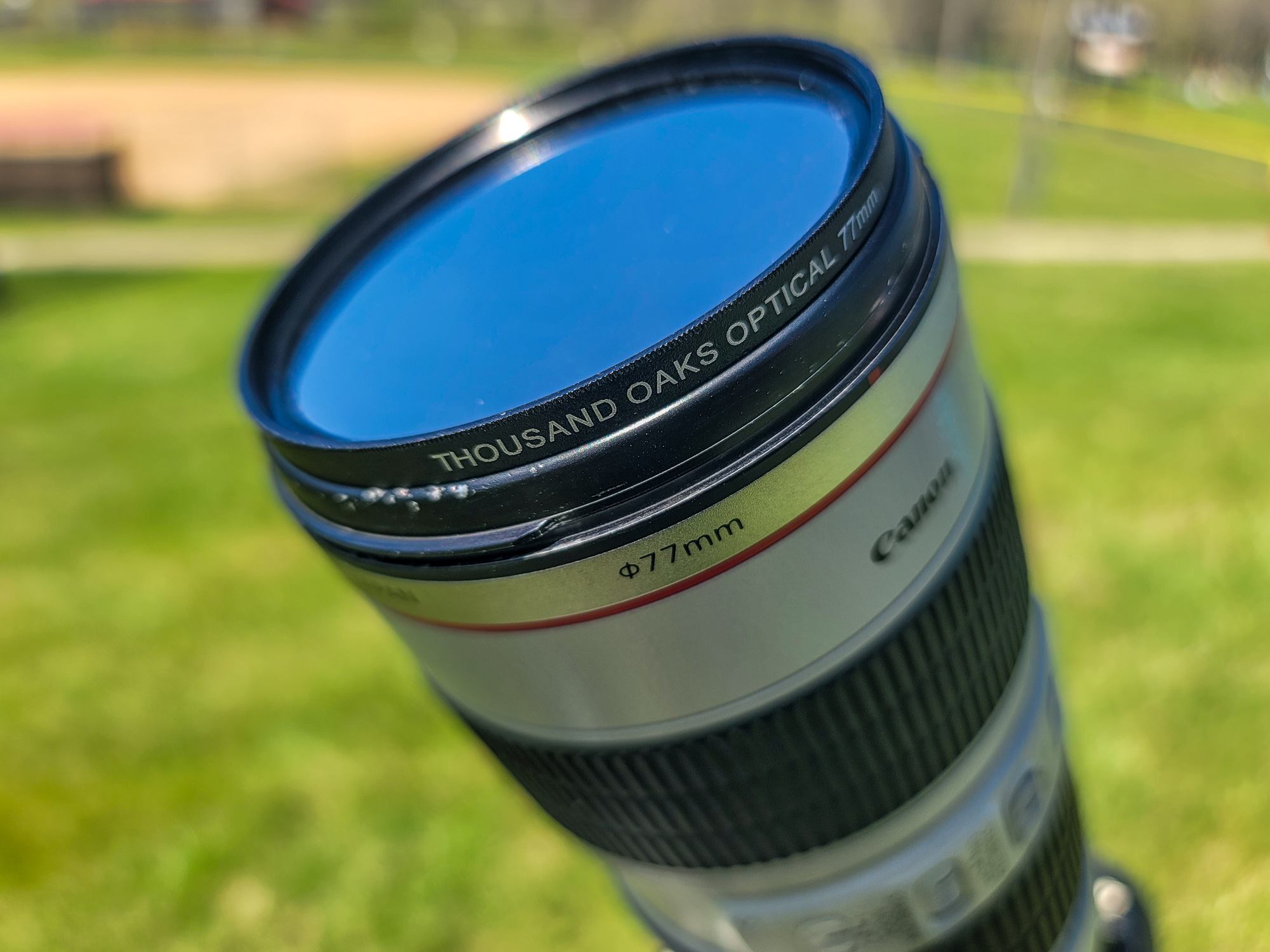
This is the best filter style to get. It also uses their SolarLite filter material and can be purchased with the right thread of your lens. If you don’t know the filter size of your lens, just check your lens, the information should be on your lens otherwise you can google for your lens model and find the size this way. The filter material comes in a frame which makes it easy to handle. You can touch the frame to mount it to your lens. This filter will sit on the front of your lens and can’t fall off.
Prize
The threaded camera filters are pretty affordable. They prices range from $49 for the smallest (37mm) to $79 for the biggest (95mm). My filter with a 77mm filter thread was $59.
Total Solar Eclipse Issue
When you photograph a total solar eclipse, it will be necessary to remove the filter during the phase of totality. That means you have to touch your camera which could have negative effects if you are shooting a timelapse for example. It could introduce shaking during the removal and attaching process. So which version is the best?
That is a tough question and also depends on your technique. I think the threaded filter is still the best way to go. Even better than with the Lee filter and a holder. I will just screw on the filter a little bit and not all the way. This will make it easy for me to take the filter off with a quick touch. Re-attaching will be as easy too but you should practice a few times before the eclipse. The best would be to practice removing and attaching the filter with another filter, like a UV filter. Because if you drop your solar filter, it can get very easily damaged. Easier than a UV filter for example.
Reasons to use Thousand Oaks Optical Solar Filters
- Great Quality Filters
- Optical safe filters which can be used for viewing the sun with your eyes directly through the filter
- Yellow sun rather than a white or blue sun.
- Great Price. The threaded filters range from $49 to $79, depending on your lens thread.
Important Usage Instructions
For your safety there are a few things to follow. First of all, never look at the sun with your eyes and no filter. Same is true for cameras, don’t point cameras directly into the sun as it can damage the sensor electronics.
Before each use make sure the filter is in good condition and has no holes. Otherwise you could damage your eyes or equipment by looking through the filter into the sun.
The filter has to be first. Means it has to be the first element the sun light has to go through. Don’t use drop-in filters at the end of your lens.
Cleaning Instructions
Here some information on how to clean the solar filters. You can blow off dust with air up to a pressure of 15psi. For cleaning the filter element use Isopropyl (rubbing) alcohol and a soft tissue. Don’t use a cloth. Thousand Oaks Optical also recommends to mist the filter with a sprayer rather than soaking the tissue. Use a large (3-inch) circular wad of tissue to lightly rub across the surface in long strokes. Use a fresh dry tissue to wipe dry. The SolarLite and Silver-Black Polymer films are very susceptible to surface scratches which will not compromise the safety of the filter.
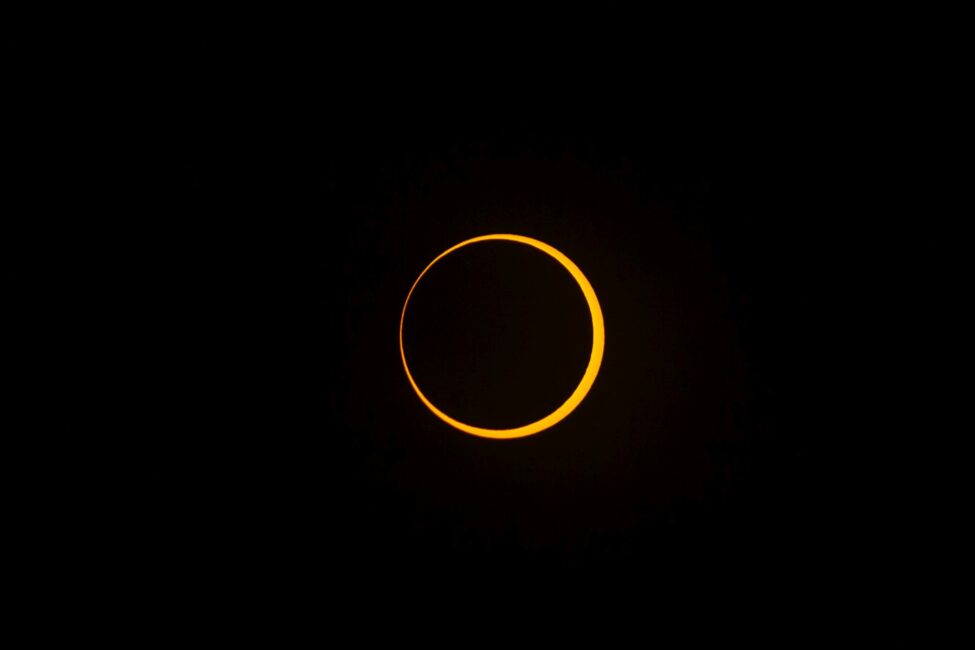
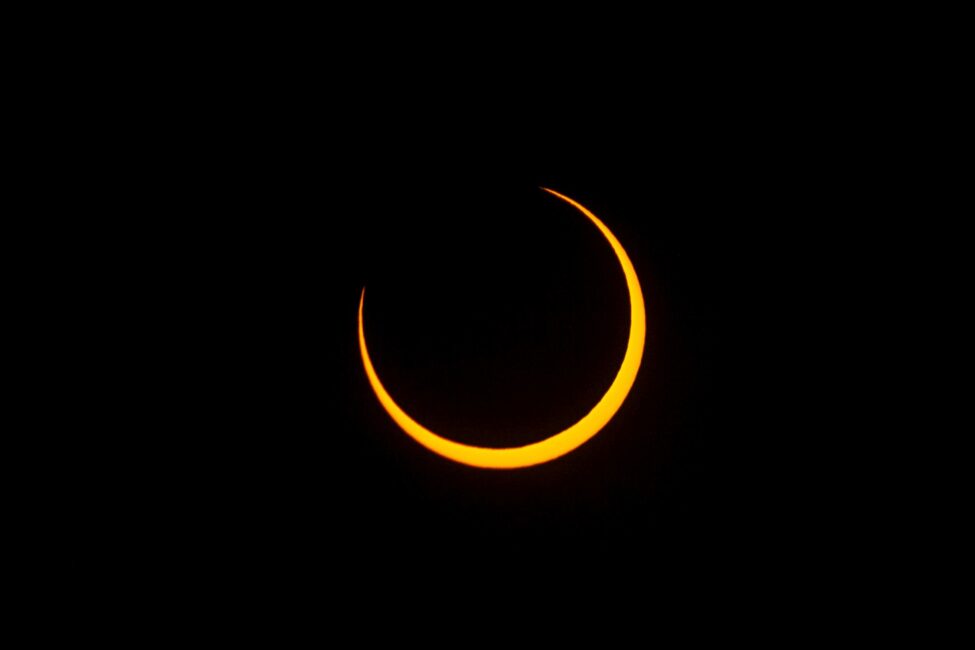
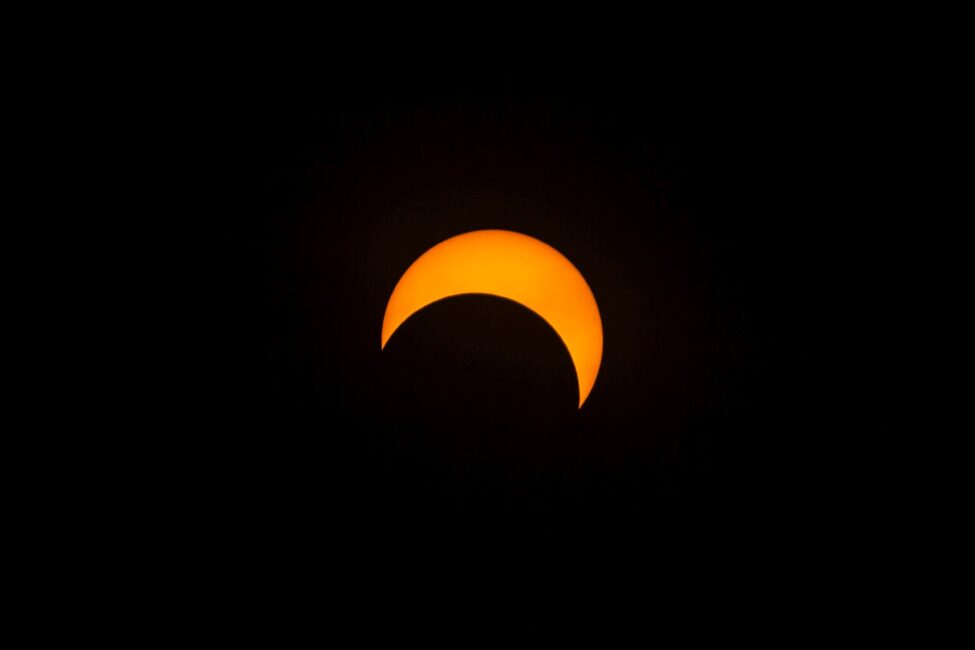
Sample Images taken with the filter
Conclusion
Thousand Oaks Optical produces amazing and high quality filter. Be sure to order ahead of time to get your filters in time for the next solar eclipse. The next solar eclipse I will be photographing is the total eclipse on April 8, 2024. If you read my post about chassing the eclipse, I got lucky to have the filters delivered just in time.

Peter is an award-winning photographer who travels all over the world to capture the beauty of our planet as well as the achievements of humanity. Follow Peter on his travel blog Gate to Adventures for more amazing places to go and explore.